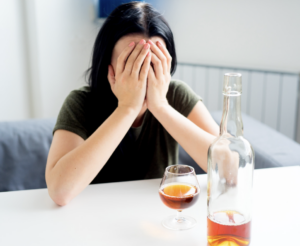
The word "uncontrolled" is very important. Clients often come to us with the request that they would very much like to be able to drink just one glass, but that is basically impossible if they consume alcohol excessively or uncontrollably. The client always drinks more than the limit they set themselves.
How drinking alcohol can, but does not have to develop into dependence on alcohol, or the phases of development of drinking:
Experimental: The first experiments with alcohol.
Use: Regular consumption.
Abuse: Loss of control, negative impact.
Dependence: Physical and mental dependence, withdrawal symptoms.
There is a very thin line between abuse and excessive use of alcohol, which one very rarely recognises. But both these phases must be managed, with the help of specialists and suitable treatment must be chosen.
The consequences of alcohol abuse:
Alcohol has some of the worst effects on one's health out of all the various addictive substances. The severe withdrawal symptoms when recovering from alcohol dependence are also life-threatening and much more serious than recovering from heroin addiction for instance.
Physical: organ damage, deterioration of health.
Mental: depression, anxiety, memory disorders.
Social: breakdown of relationships, withdrawal from society and friends, loss of hobbies, work issues.
Dependence on drugs:
Is a dependence on psychoactive substances, including illegal drugs or medication.
The key drugs we usually encounter are: heroin, cocaine, methamphetamines (pervitin), opioids, marihuana.
Our clients most often come to us for help with dependence on cocaine, possibly in combination with dependence on alcohol or medication.
Consequences:
Physical: health complications, overdose.
Mental: psychoses, mood disorders.
Social: criminal prosecution, social isolation, loss of job, problems within the family
Dependence on medication:
Is most often illegal use or abuse of medication exceeding the recommended dosage. This is the second most frequent type of dependence that our clients come to us with. Along with cocaine dependence, this forms the second group of clients that seek us out. Unfortunately, even recovery from dependence on medication can be accompanied by very severe and dangerous withdrawal symptoms, which is why specialist help and treatment must be sought out as soon as possible.
Types of medication: opioids, benzodiazepines, hypnotics (Stilnox, Zolpidem, etc.)
Consequences:
Physical: dependence, health complications.
Mental: psychoses, sleep disorders.
Social: isolation, criminal prosecution